What Are the Six Main Points of Dialectical Behavior Therapy?
Dialectical Behavior Therapy (DBT) has become a cornerstone in modern mental health treatment, particularly for individuals struggling with intense emotions, self-harm behaviors, and interpersonal challenges. Developed by psychologist Marsha Linehan, DBT integrates cognitive-behavioral strategies with mindfulness and acceptance principles to create a comprehensive approach to emotional and behavioral regulation. One of the most critical aspects of DBT is its focus on six main points or skill areas. These six points form the foundation of DBT, providing individuals with practical tools to manage emotions, handle stress, and build healthier relationships.
Short Answer: What Are the Six Main Points of Dialectical Behavior Therapy?
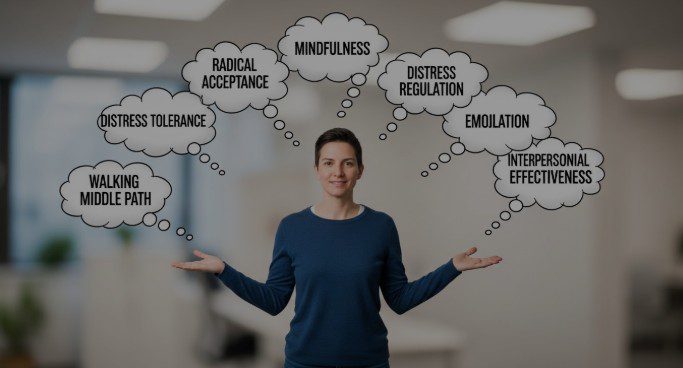
At its core, DBT is structured around six main points:
- Mindfulness – Cultivating present-moment awareness and nonjudgmental observation.
- Distress Tolerance – Learning to cope with crises without worsening the situation.
- Emotion Regulation – Identifying, understanding, and managing intense emotions.
- Interpersonal Effectiveness – Building and maintaining healthy, effective relationships.
- Self-Management / Self-Validation – Understanding and validating one’s experiences while taking personal responsibility.
- Acceptance and Change Integration – Balancing the acceptance of reality with the need for personal change.
This article will explore each of these points in depth, providing practical examples, step-by-step guidance, and comparisons with other therapy methods to help readers fully understand and apply DBT principles in everyday life.
Understanding Dialectical Behavior Therapy (DBT)
What is Dialectical Behavior Therapy?
DBT is a type of psychotherapy originally designed to treat borderline personality disorder (BPD) but has since been applied to a range of mental health conditions, including depression, anxiety disorders, substance abuse, and post-traumatic stress disorder (PTSD). Unlike traditional cognitive-behavioral therapy (CBT), DBT emphasizes a dialectical approach, which means it focuses on balancing acceptance and change.
DBT consists of four core components:
- Individual therapy – One-on-one sessions to address personal challenges.
- Skills training groups – Structured lessons on DBT skills.
- Phone coaching – Real-time guidance to apply skills in daily life.
- Therapist consultation team – Support for therapists to ensure effective delivery.
Importance of the Six Main Points in DBT
The six main points of DBT are essential because they provide a practical framework for tackling emotional and behavioral dysregulation. Each skill area targets a specific challenge: mindfulness enhances awareness, distress tolerance reduces impulsive behaviors, emotion regulation improves mood stability, interpersonal effectiveness strengthens relationships, self-management fosters personal growth, and acceptance/change integration ensures balance. Together, they equip individuals with the tools to live more stable, meaningful lives.
The Six Main Points of Dialectical Behavior Therapy
1. Mindfulness
Mindfulness is the practice of paying full attention to the present moment without judgment. In DBT, mindfulness is foundational because it enhances awareness of thoughts, feelings, and behaviors.
Benefits:
- Reduces emotional reactivity.
- Encourages clarity in decision-making.
- Supports other DBT skills by fostering self-awareness.
Practical Example: Spending five minutes observing your breath, noticing thoughts as they arise, and returning your attention to the present moment.
2. Distress Tolerance
Distress tolerance teaches individuals how to endure emotional crises without resorting to harmful behaviors. It emphasizes survival strategies over immediate problem-solving.
Key Techniques:
- Self-soothing – Using the senses to calm yourself.
- Distraction – Shifting focus to a neutral or positive activity.
- Radical acceptance – Acknowledging reality without judgment.
Safety Considerations: Use these strategies to manage emotional surges without causing harm to oneself or others.
3. Emotion Regulation
Emotion regulation focuses on recognizing, understanding, and changing intense emotions. Individuals learn to reduce emotional vulnerability and increase positive experiences.
Strategies:
- Identify triggers and patterns of emotional response.
- Increase activities that promote joy and fulfillment.
- Use techniques such as “opposite action” to counteract unhelpful emotions.
4. Interpersonal Effectiveness
Interpersonal effectiveness equips individuals with the skills to navigate relationships assertively while maintaining self-respect.
Core Skills:
- DEAR MAN – Describe, Express, Assert, Reinforce, Mindful, Appear confident, Negotiate.
- Setting healthy boundaries.
- Balancing personal needs with the needs of others.
Example: Communicating feelings clearly with a partner without escalating conflict.
5. Self-Management / Self-Validation Skills
Self-management focuses on personal accountability and self-validation, recognizing that your experiences are valid even if others disagree.
Benefits:
- Strengthens self-esteem.
- Encourages taking proactive steps toward personal goals.
- Reduces self-criticism.
Example: Journaling thoughts and acknowledging accomplishments each day.
6. Acceptance and Change Integration
This principle teaches the balance between accepting reality and striving for change. It reinforces that acceptance does not mean passivity; instead, it allows individuals to act effectively while acknowledging the truth of a situation.
Application: Using mindfulness to recognize emotions while implementing emotion regulation or interpersonal effectiveness strategies.
Step-by-Step Guide to Applying the Six Main Points of DBT
- Assess Your Emotional Patterns – Track moods, triggers, and behaviors to identify areas of growth.
- Introduce Mindfulness Exercises – Practice daily mindfulness to improve awareness and clarity.
- Practice Distress Tolerance Strategies – Apply self-soothing, distraction, or radical acceptance during crises.
- Implement Emotion Regulation Techniques – Use strategies to reduce vulnerability and increase positive emotional experiences.
- Improve Interpersonal Effectiveness – Role-play challenging conversations and apply DEAR MAN techniques.
- Integrate Self-Management and Acceptance Skills – Validate your experiences, take responsibility, and balance acceptance with proactive change.
Comparison Table: DBT Skills vs Other Therapy Methods
| DBT Skill | Purpose | Similar Therapy Techniques | Unique Benefits |
|---|---|---|---|
| Mindfulness | Awareness of present moment | Mindfulness-Based Stress Reduction (MBSR) | Focus on emotional regulation and acceptance |
| Distress Tolerance | Crisis management | Cognitive Behavioral Therapy (CBT) coping strategies | Reduces impulsive behavior and emotional escalation |
| Emotion Regulation | Managing intense emotions | Emotion-Focused Therapy | Structured skill-building and diary use |
| Interpersonal Effectiveness | Healthy relationships | Social Skills Training | Emphasis on balancing needs with others’ |
| Self-Management | Personal accountability | CBT self-monitoring | Encourages self-validation |
| Acceptance/Change Integration | Reality acceptance & change | Acceptance and Commitment Therapy (ACT) | Combines acceptance with practical change strategies |
FAQs About the Six Main Points of DBT
1. Can DBT help with anxiety and depression?
Yes. DBT skills, particularly mindfulness and emotion regulation, have been shown to reduce anxiety and depressive symptoms by promoting emotional stability and resilience.
2. How long does it take to learn the six main points of DBT?
Skill acquisition varies, but most structured DBT programs span 12–24 weeks, with continued practice reinforcing the skills.
3. Are DBT skills effective without a therapist?
Self-directed practice can help, but working with a trained DBT therapist ensures proper guidance, accountability, and support during emotional crises.
4. Can mindfulness alone improve mental health?
Mindfulness is powerful, but combining it with the other DBT skills produces more comprehensive emotional and behavioral benefits.
5. What is the difference between DBT and CBT?
DBT emphasizes acceptance in addition to change, while CBT primarily focuses on changing thoughts and behaviors.
6. How often should DBT exercises be practiced?
Daily practice is recommended, with mindfulness and self-management exercises integrated into routines.
7. Can DBT help with self-harm and suicidal thoughts?
Yes. Distress tolerance and emotion regulation skills are specifically designed to reduce impulsive behaviors and improve coping during crises.
8. Are there online resources or apps for DBT skill practice?
Many apps and online programs provide DBT skill exercises, worksheets, and guided sessions to supplement therapy.
Conclusion: Mastering the Six Main Points of Dialectical Behavior Therapy
The six main points of DBT mindfulness, distress tolerance, emotion regulation, interpersonal effectiveness, self-management, and acceptance/change integration offer a structured, research-backed framework for managing emotions and improving overall mental health. Mastery of these skills empowers individuals to navigate challenges with clarity, resilience, and confidence. While self-study is helpful, working with a qualified DBT therapist ensures effective application and long-term success. By consistently practicing these skills, individuals can experience transformative improvements in their emotional well-being, relationships, and daily functioning.