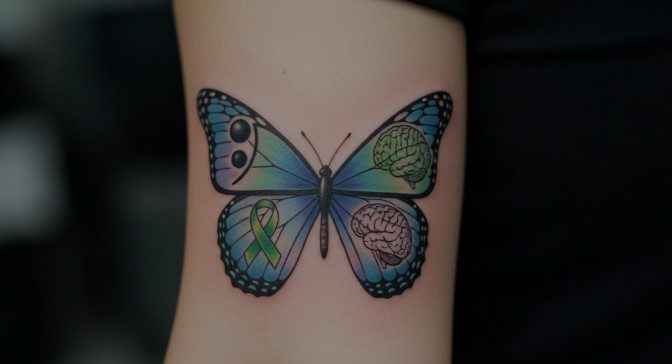
What Does the Butterfly Tattoo Mean Mental Health
Butterfly tattoos have long captivated people with their beauty, elegance, and symbolism. But when it comes to mental health, their meaning goes far beyond aesthetics. Many individuals choose butterfly tattoos not just for their visual appeal, but as a symbol of personal transformation, resilience, and hope. Whether you’re exploring a tattoo for self-expression or as a reminder of your mental health journey, understanding the deeper significance of butterflies can help you make a meaningful choice.
Short Answer: What Does the Butterfly Tattoo Symbolize in Mental Health?
In the context of mental health, the butterfly tattoo is a powerful emblem of transformation, recovery, resilience, hope, and self-expression. Just as a caterpillar undergoes a metamorphosis to become a butterfly, this tattoo often represents an individual’s journey through mental health challenges and the growth they experience along the way.
A butterfly tattoo can also serve as a daily reminder to embrace change, let go of past struggles, and celebrate the strength it takes to survive and thrive. For many, it is more than art, it’s a personal symbol of healing.
The Deeper Meaning of Butterfly Tattoos in Mental Health
Symbolism of Transformation and Growth
The most universal meaning of a butterfly is transformation. This symbolism resonates strongly with mental health, as personal growth often requires a period of struggle, adaptation, and self-reflection.
- Personal Development: Just like the metamorphosis from caterpillar to butterfly, individuals navigating mental health challenges experience phases of growth, learning, and change.
- Therapy and Recovery: Many choose a butterfly tattoo to represent their therapeutic journey, marking progress and personal evolution.
Healing, Freedom, and Letting Go
Butterflies are not only symbols of change but also of healing and freedom. They remind individuals to release past trauma, anxiety, or depression and embrace a renewed sense of self.
- Emotional Release: The act of letting go, symbolized by a butterfly taking flight, can be empowering for someone recovering from mental health struggles.
- Coping Mechanism: For those facing anxiety or depression, the tattoo can act as a mental anchor, reminding them of resilience and hope.
Individuality and Self-Expression
Butterfly tattoos also provide a way to express individuality and mental health narratives.
- Personal Journey: Many mental health advocates use butterfly tattoos to visually represent their unique experiences.
- Cultural and Psychological Significance: Butterflies can reflect identity, spirituality, or personal milestones, making them a deeply personal emblem of mental wellness.
Guide to Choosing a Butterfly Tattoo for Mental Health
Choosing a butterfly tattoo is a personal and meaningful process. Here’s a structured approach to make your tattoo both beautiful and symbolic.
Step 1: Reflect on Your Personal Journey
Before selecting a design, ask yourself:
- What personal challenges or transformations do I want to symbolize?
- How does my mental health journey shape my identity?
- Am I choosing this tattoo for personal reflection or public expression?
This reflection ensures your tattoo carries authentic significance.
Step 2: Decide on Design and Symbolism
Your tattoo’s design can dramatically influence its meaning:
- Realistic vs. Abstract: Realistic butterflies emphasize authenticity and growth, while abstract designs may symbolize emotional complexity or creativity.
- Color Choices: Colors convey psychological meaning. Blue represents calm and stability, purple symbolizes mental strength, and vibrant hues like orange can denote hope and energy.
Step 3: Placement Considerations
Where you place your tattoo can enhance its significance:
- Common Areas: Wrist, forearm, shoulder, or back.
- Visibility vs. Privacy: Decide whether you want your tattoo visible as a conversation starter or more private as a personal reminder.
Step 4: Choose a Skilled Tattoo Artist
Selecting the right artist ensures your tattoo is executed with care and respect:
- Look for artists experienced in meaningful, symbolic tattoos.
- Discuss your mental health intentions to ensure the design conveys the message accurately.
Step 5: Aftercare and Mindful Reflection
Caring for your tattoo post-ink is essential:
- Follow proper hygiene and aftercare to prevent infection.
- Reflect on the tattoo as a daily reminder of your journey and growth.
Types of Butterfly Tattoos and Their Mental Health Meanings
Comparison Table: Butterfly Tattoo Styles and Symbolism
| Tattoo Style | Meaning in Mental Health Context | Popularity/Trend |
|---|---|---|
| Realistic Butterfly | Transformation, authenticity | High |
| Minimalist/Line Art | Simplicity, clarity, mindfulness | Medium |
| Watercolor Butterfly | Emotional expression, freedom, creativity | High |
| Tribal/Geometric | Strength, resilience, personal boundaries | Medium |
| Combination Designs | Personal journey, healing | Medium |
This table can help you choose a design that aligns with your mental health narrative while also matching your aesthetic preferences.
Butterflies as a Mental Health Symbol Across Cultures
Western Symbolism
In Western culture, butterflies are often associated with rebirth, therapy, and mental health awareness. Many campaigns for mental wellness use butterflies to represent hope, transformation, and emotional resilience.
Eastern Symbolism
In Eastern traditions, butterflies symbolize spiritual transformation, mindfulness, and the soul’s journey. They are often seen as messengers of change and self-realization.
Modern Pop Culture Influence
Celebrities and social media influencers increasingly use butterfly tattoos to promote mental health awareness, making the symbol even more recognized and culturally significant.
FAQs About Butterfly Tattoos and Mental Health
1. What does a butterfly tattoo mean for someone struggling with depression?
It symbolizes hope, personal growth, and the ability to overcome difficult periods, serving as a visual reminder of resilience.
2. Are butterfly tattoos linked to mental health recovery?
Yes, many individuals choose them to mark milestones in therapy or recovery journeys.
3. Can a butterfly tattoo help me cope with anxiety?
While it’s not a cure, the tattoo can act as a grounding symbol, encouraging mindfulness and calm.
4. What colors are best for mental health symbolism in butterfly tattoos?
Blue represents calm, purple denotes mental strength, and bright colors like orange symbolize hope and energy.
5. Is there a difference between male and female butterfly tattoo meanings?
Not inherently; symbolism is personal, but design and placement preferences may vary.
6. How can I make my butterfly tattoo unique for my mental health journey?
Incorporate personal elements such as dates, initials, or abstract styles reflecting your experiences.
7. Are butterfly tattoos considered safe for people with mental health sensitivities?
Yes, they are generally safe; choosing an experienced artist ensures a positive experience.
8. Can butterfly tattoos trigger emotional healing or therapy benefits?
Yes, they can serve as symbolic anchors, reminders of progress, and motivators for ongoing self-care.
Conclusion: The Butterfly Tattoo as a Symbol of Mental Health
A butterfly tattoo is more than just body art, it’s a profound symbol of transformation, healing, hope, and self-expression. Whether you are marking a milestone in your mental health journey, celebrating recovery, or simply expressing your personal growth, a butterfly tattoo can serve as a daily reminder of resilience and empowerment. Get therapy services at South Side DBT now!
By thoughtfully considering your design, placement, colors, and symbolism, your tattoo becomes a deeply personal emblem of your journey. In essence, the butterfly tattoo captures the beauty of change and the strength it takes to navigate life’s challenges making it a timeless symbol for anyone focused on mental health and personal growth.