
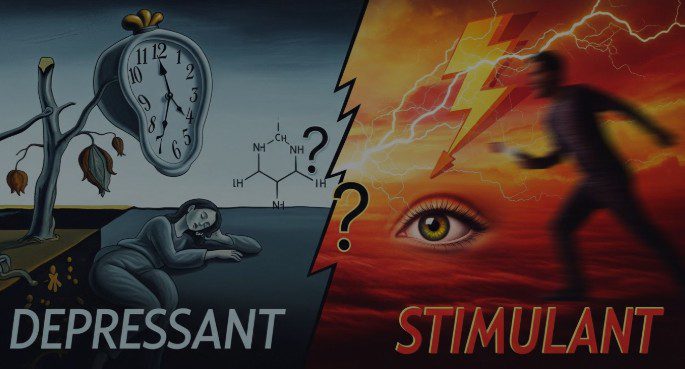
Is Cocaine a Depressant or Stimulant?
Understanding how drugs affect the brain is essential for making informed health decisions. One of the most commonly searched and misunderstood questions in substance education is: is cocaine a depressant or stimulant? The confusion is understandable, people often experience emotional lows after cocaine use, leading many to assume it acts as a depressant. Scientifically, however, the answer is very clear.
This in-depth, medically grounded guide provides the most complete explanation available, covering cocaine’s classification, how it works in the brain, why misconceptions exist, short- and long-term effects, mental health risks, and safety considerations.
Short Answer — Is Cocaine a Depressant or Stimulant?
Cocaine is a stimulant, not a depressant. According to medical and psychiatric authorities, cocaine stimulates the central nervous system, increasing alertness, energy, heart rate, and dopamine levels.
Confusion arises because cocaine is often followed by a “crash” phase that includes fatigue, sadness, and irritability, effects that feel depressant-like but are actually the result of neurotransmitter depletion. Over time, repeated use can contribute to long-term mental health issues, including depression.
What Type of Drug Is Cocaine? (Core Classification)
Cocaine is a psychoactive stimulant drug derived from the leaves of the Erythroxylum coca plant. While it originates naturally, the substance is highly processed into powdered cocaine or crack cocaine, both of which are illegal in most countries.
From a legal and medical standpoint:
- Cocaine is classified as a Schedule II controlled substance in the U.S.
- It has very limited medical use (primarily as a local anesthetic in rare surgical contexts)
- It carries a high potential for abuse and dependence
Unlike depressants, which slow brain activity, cocaine’s defining feature is that it accelerates nervous system function.
Is Cocaine a Depressant or Stimulant According to Medical Science?
Medical science is unanimous: cocaine is a central nervous system stimulant. The DSM-5, NIH, and World Health Organization all classify cocaine under stimulant use disorders.
Pharmacologically, cocaine:
- Increases neuronal firing
- Enhances neurotransmitter activity
- Produces excitation, not sedation
Depressants reduce brain signaling. Cocaine does the opposite, which is why it cannot be classified as a depressant under any medical definition.
How Cocaine Works in the Brain and Nervous System
Cocaine’s powerful effects come from how it alters neurotransmitter activity in the brain. Specifically, it blocks the reuptake of:
- Dopamine (pleasure and motivation)
- Norepinephrine (alertness and arousal)
- Serotonin (mood regulation)
By preventing these chemicals from being reabsorbed, cocaine causes them to build up rapidly, overstimulating the brain’s reward system. This leads to intense euphoria but also places enormous stress on the cardiovascular and nervous systems, increasing heart rate, blood pressure, and body temperature.
Stimulant Effects That Define Cocaine’s Drug Class
Cocaine’s stimulant classification is based on consistent, well-documented effects, including:
- Increased energy and wakefulness
- Intense euphoria and confidence
- Rapid speech and racing thoughts
- Suppressed appetite
- Short-term heightened focus
These effects are hallmarks of stimulant drugs, not depressants.
Why Do People Think Cocaine Is a Depressant?
The primary reason is the comedown, often referred to as a crash. After cocaine’s effects wear off, dopamine levels drop sharply, leading to:
- Extreme fatigue
- Low mood or sadness
- Irritability and anxiety
Because these symptoms resemble depressant effects, people mistakenly believe cocaine itself is a depressant.
Cocaine Comedown vs Depressant Effects
There is an important distinction:
- Depressants actively slow brain activity during use
- Cocaine overstimulates the brain, then leaves it depleted
The low mood after cocaine use is caused by neurochemical exhaustion, not depressant action. This crash can last hours to days, depending on frequency and dosage.
Short-Term vs Long-Term Effects of Cocaine Use
Short-term effects include:
- Elevated heart rate and blood pressure
- Increased confidence and sociability
- Restlessness and agitation
With repeated use, risks escalate. Long-term effects may involve:
- Cardiovascular disease
- Cognitive impairment
- Dependence and addiction
Higher doses and frequent use significantly increase harm.
Long-Term Mental Health Effects
Chronic cocaine use is strongly associated with:
- Anxiety disorders
- Persistent depressive symptoms
- Paranoia and stimulant-induced psychosis
These effects can continue even after stopping use, especially without treatment.
What Happens After Cocaine Use
- Cocaine enters the bloodstream rapidly
- Dopamine levels surge dramatically
- Intense stimulant high occurs
- Peak stimulation stresses the heart and brain
- Neurotransmitters become depleted
- Emotional and physical crash follows
This cycle explains both the stimulant effects and the post-use low.
Cocaine vs Depressants vs Other Stimulants
| Feature | Cocaine | Depressants (Alcohol, Benzodiazepines) | Other Stimulants (Adderall, Meth) |
|---|---|---|---|
| Drug Class | Stimulant | Depressant | Stimulant |
| CNS Effect | Speeds up | Slows down | Speeds up |
| Dopamine Impact | Extreme spike | Suppression | Moderate to extreme |
| Crash Phase | Yes | No | Yes |
| Addiction Risk | Very high | High | High |
Is Cocaine Ever Considered a Depressant in Any Context?
No. Cocaine is never medically classified as a depressant, regardless of subjective feelings. In popular culture, the term “depressant” is often misused to describe emotional lows, but drug classification is based on mechanism of action, not mood outcomes.
How a drug makes someone feel does not change how it works pharmacologically.
Cocaine and Mental Health Risks
Cocaine significantly increases the risk of mental health complications, particularly with long-term use. These include:
- Mood instability
- Suicidal ideation during withdrawal
- Cocaine-induced depressive episodes
Cocaine-induced depression differs from major depressive disorder but can feel just as severe.
Cocaine, Dopamine Depletion, and Depression
Repeated dopamine surges force the brain to adapt by reducing natural dopamine production. Over time, this leads to:
- Reduced pleasure from normal activities
- Emotional numbness
- Long recovery timelines after stopping use
Brain chemistry can improve, but healing often takes weeks to months.
Is Cocaine More Dangerous Than Other Stimulants?
Cocaine carries unique dangers:
- High overdose risk due to short duration and redosing
- Severe cardiovascular strain
- Unpredictable purity and contamination
Unlike prescription stimulants, illicit cocaine offers no dosing control, making it especially risky.
FAQs About Cocaine Classification and Effects
Is cocaine a depressant or stimulant?
Cocaine is a stimulant that increases central nervous system activity.
Why does cocaine make you feel depressed afterward?
The crash occurs due to depleted dopamine levels after intense stimulation.
Can cocaine cause long-term depression?
Yes, chronic use can disrupt dopamine regulation and contribute to lasting depressive symptoms.
Is cocaine stronger than other stimulants?
Its dopamine spike is more intense than many stimulants, but effects are shorter-lived.
How long does cocaine stay active in the brain?
The high lasts minutes to an hour, but neurochemical effects can persist longer.
Can cocaine affect mental health permanently?
In some cases, especially with heavy use, long-term effects may persist.
Is cocaine ever used medically?
Rarely, as a topical anesthetic in specialized procedures.
What happens when cocaine is mixed with depressants?
Combining cocaine with alcohol or sedatives greatly increases overdose risk.
Safety, Health, and Harm Considerations
Cocaine has a high addiction potential and significant overdose risk. Warning signs include chest pain, overheating, confusion, and irregular heartbeat. Polysubstance use, especially mixing cocaine with alcohol, dramatically increases danger.
Anyone experiencing persistent mood changes, cravings, or mental distress should seek professional medical or mental health support from South Side DBT.
Conclusion — Final Verdict on Cocaine’s Drug Classification
To be unequivocally clear: cocaine is a stimulant, not a depressant. It accelerates brain activity, floods the nervous system with dopamine, and places significant strain on the body. The emotional lows that follow use explain the widespread confusion, but they do not change cocaine’s pharmacological identity.
Understanding this distinction helps reduce misinformation, supports safer education, and encourages evidence-based conversations about substance use and mental health, without judgment, fear, or stigma.