
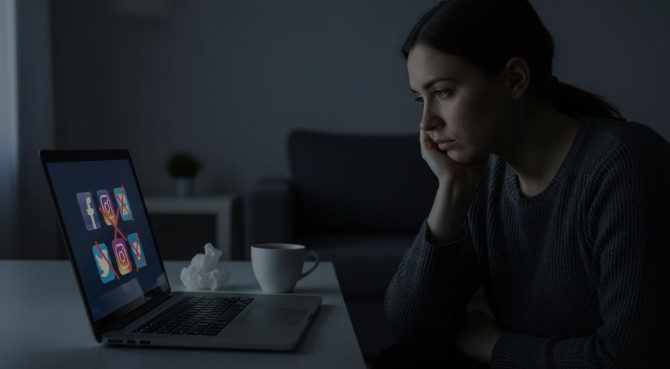
Is Deleting Social Media a Sign of Depression
Social media has become an integral part of daily life, shaping the way we communicate, access information, and perceive the world. Yet, many people are now questioning whether stepping away from platforms like Instagram, Facebook, or Twitter signals something deeper, specifically, depression. Understanding the nuances of why someone deletes social media can help distinguish between healthy lifestyle choices and mental health concerns.
Short Answer: Does Deleting Social Media Indicate Depression?
Deleting social media is not automatically a sign of depression, but context matters. Taking a temporary break for productivity, mental clarity, or personal reflection is generally harmless and often beneficial. On the other hand, when deletion is accompanied by persistent sadness, loss of interest in usual activities, withdrawal from friends or family, or fatigue, it may indicate underlying depression.
Expert Insight: According to a 2022 survey by the Pew Research Center, 25% of young adults reported taking breaks from social media to improve mental health, but only 7% cited a clinical or severe emotional cause. This demonstrates that motivation behind the action is critical for interpretation.
Understanding the Relationship Between Social Media and Mental Health
How Social Media Impacts Mood and Emotions
Social media is a double-edged sword. While it fosters connection, it can also amplify stress, anxiety, and FOMO (Fear of Missing Out). Constant comparison to curated online lives often leads to low self-esteem and emotional fatigue. For some, these pressures contribute to withdrawal or avoidance behaviors, which could include deleting accounts.
Signs of Depression Related to Social Media Use
Experts note that depression often manifests in subtle ways related to online behavior, such as:
- Withdrawal: Avoiding interactions, ignoring messages, or disengaging from groups.
- Loss of Interest: Reduced enthusiasm for posting or engaging online.
- Irritability and Fatigue: Emotional exhaustion from even minor digital interactions.
Recognizing these signs can help distinguish between a deliberate, healthy break and an emotional red flag.
Difference Between Voluntary Social Media Breaks and Depression-Driven Deletion
| Factor | Voluntary Break | Depression-Driven Deletion |
|---|---|---|
| Motivation | Personal productivity, mental clarity | Low mood, withdrawal |
| Duration | Temporary | Often prolonged |
| Emotional Response | Relief, empowerment | Anxiety, sadness, apathy |
| Social Interaction | Limited but intentional | Avoidance, isolation |
Common Questions People Ask About Social Media and Depression
Can quitting social media improve mental health?
Yes. Controlled studies have shown that reducing social media use can lower anxiety, increase focus, and improve sleep. The key is moderation rather than total avoidance unless medically advised.
Are introverts more likely to delete social media due to depression?
Not necessarily. Introverts may prefer offline interactions, but deleting social media does not inherently indicate depression. Context and accompanying behaviors are more significant.
How long before deleting social media becomes a warning sign?
There’s no universal timeline. Experts suggest concern if the behavior persists long-term (weeks to months) and is paired with other depressive symptoms.
Can depression cause sudden disinterest in online interactions?
Yes. One hallmark of depression is anhedonia, or the inability to feel pleasure in activities once enjoyed, including online engagement.
Identifying If Social Media Deletion is a Sign of Depression
Step 1 – Observe Your Motivation for Leaving Social Media
Ask yourself: Are you leaving for personal growth or due to feeling hopeless and disconnected? Honest self-reflection is critical.
Step 2 – Track Emotional Changes Before and After Deleting
Maintain a journal to note moods, anxiety levels, and social engagement. Positive emotional changes often indicate a healthy break, while increased sadness or lethargy may suggest depression.
Step 3 – Assess Other Symptoms of Depression
Look for classic signs: persistent sadness, sleep changes, appetite changes, irritability, or diminished interest in activities.
Step 4 – Consult a Mental Health Professional if Needed
If depressive symptoms are present, seeking guidance from a licensed therapist or counselor ensures safety and appropriate treatment.
Step 5 – Consider Healthier Alternatives to Social Media
Engage in offline activities like reading, physical exercise, or connecting with friends face-to-face. Mindful digital habits can improve well-being without complete deletion.
Social Media Break vs. Depression-Driven Deletion
| Factor | Social Media Break | Depression-Driven Deletion |
|---|---|---|
| Motivation | Personal choice / productivity | Low mood / withdrawal |
| Duration | Temporary | Often prolonged |
| Emotional Signs | Relief, focus | Anxiety, sadness, apathy |
| Social Interaction | Reduced but voluntary | Avoidance, isolation |
| Recovery | Easy reintegration | May require professional help |
FAQs About Deleting Social Media and Depression
- Does everyone who deletes social media have depression?
No. Many people take breaks for productivity, privacy, or mental clarity. Depression-related deletion is context-dependent. - Can deleting social media worsen depression?
For some individuals, sudden isolation may exacerbate loneliness or negative thoughts, highlighting the need for balance. - How do I know if my social media break is healthy?
Healthy breaks are voluntary, temporary, and accompanied by positive emotional outcomes. - Are there warning signs to watch for after deleting social media?
Persistent sadness, withdrawal, fatigue, or loss of interest in daily activities may indicate depression. - Can deleting social media be therapeutic?
Yes. Strategic breaks can reduce anxiety, improve focus, and increase real-life engagement. - How long should a social media break last before concern arises?
Weeks to months without improvement in mood or social engagement may require professional evaluation. - What are mental health alternatives to social media engagement?
Offline hobbies, mindfulness practices, volunteering, or connecting face-to-face. - Can social media deletion prevent depression?
It may reduce triggers like comparison and FOMO, but it’s not a guaranteed prevention strategy.
Conclusion
Deleting social media is not automatically a sign of depression, but it can be an indicator when accompanied by persistent negative emotions and social withdrawal. Understanding your motivations, tracking emotional responses, and assessing other symptoms are critical steps to distinguish between healthy breaks and mental health concerns or just contact South Side DBT now!
Balance is key. While taking time away from social media can be restorative, persistent disinterest, sadness, or apathy warrants professional guidance. By approaching social media with mindfulness and self-awareness, individuals can protect their mental health while still enjoying the benefits of digital connection.