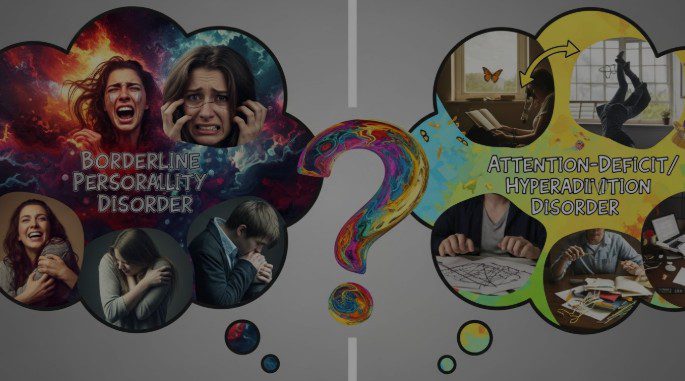
Can You Have BPD and ADHD
Understanding mental health conditions can be complicated, especially when symptoms overlap. One common question people ask is: can you have BPD and ADHD? Both Borderline Personality Disorder (BPD) and Attention Deficit Hyperactivity Disorder (ADHD) have unique characteristics, but they can also co-occur in the same individual. This article provides a comprehensive, step-by-step guide to understanding the connection, identifying symptoms, seeking a proper diagnosis, and exploring treatment options.
Short Answer: Can You Have BPD and ADHD?
Yes, it is possible to have both BPD and ADHD. Research suggests that comorbidity between these two conditions is not uncommon. Studies indicate that a significant percentage of adults diagnosed with ADHD may exhibit symptoms of BPD, and vice versa.
Key Stats on Co-occurrence
- Approximately 25–35% of adults with ADHD show signs of personality disorders, including BPD.
- BPD patients often display attentional difficulties similar to ADHD symptoms.
Importance of Proper Diagnosis
Because the symptoms overlap, misdiagnosis is common. Accurate diagnosis requires professional evaluation by a trained mental health professional to distinguish between the two conditions and to develop an effective treatment plan.
Professional Consultation
Consulting a psychiatrist, psychologist, or licensed therapist is critical. Self-diagnosis can lead to ineffective treatment and worsen symptoms. A professional assessment ensures the proper interventions are applied.
Understanding BPD and ADHD
What is Borderline Personality Disorder (BPD)?
BPD is a mental health disorder marked by intense emotional instability, impulsive behaviors, and a deep fear of abandonment. People with BPD often struggle to maintain stable relationships and may experience extreme mood swings.
Core Symptoms
- Emotional dysregulation: frequent, intense emotional changes
- Fear of abandonment: panic or extreme reactions to perceived rejection
- Impulsivity: reckless spending, substance use, or unsafe behaviors
Diagnosis Criteria (DSM-5)
Diagnosis requires a thorough clinical evaluation, including a history of persistent symptoms such as emotional instability, chronic feelings of emptiness, and unstable interpersonal relationships.
Common Myths and Misconceptions
- BPD is not the same as bipolar disorder
- People with BPD are not manipulative; symptoms are often involuntary
- It can be treated effectively with therapy
What is Attention Deficit Hyperactivity Disorder (ADHD)?
ADHD is a neurodevelopmental disorder characterized by inattention, hyperactivity, and impulsivity. While often diagnosed in childhood, ADHD frequently persists into adulthood.
Core Symptoms
- Inattention: difficulty sustaining focus, forgetfulness
- Hyperactivity: restlessness, excessive talking
- Impulsivity: hasty decisions without consideration of consequences
Types of ADHD
- Inattentive: trouble focusing, easily distracted
- Hyperactive-Impulsive: fidgeting, interrupting, restlessness
- Combined: symptoms of both inattentive and hyperactive-impulsive types
ADHD Prevalence
- Affects about 4–5% of adults globally
- Often underdiagnosed in adults, particularly women
Can You Have BPD and ADHD? – Core Explanation
Scientific evidence confirms that ADHD and BPD can co-occur. The overlapping symptoms include impulsivity and emotional dysregulation, making diagnosis challenging. However, differences in symptom patterns—such as chronic relational instability in BPD versus attentional deficits in ADHD—help clinicians differentiate the two.
Challenges in Diagnosis
- Symptom overlap leads to misdiagnosis
- Emotional outbursts in ADHD may mimic BPD mood swings
- BPD relational instability may overshadow ADHD inattentiveness
Importance of Specialized Mental Health Assessment
A structured evaluation using clinical interviews, self-report questionnaires, and behavioral assessments is essential to identify co-occurrence accurately.
Signs You Might Have Both BPD and ADHD
Recognizing the presence of both conditions requires careful observation.
Key Overlapping Symptoms
- Severe impulsivity
- Emotional dysregulation
- Difficulty maintaining attention and focus
Distinguishing Factors
- BPD: intense fear of abandonment, unstable self-image
- ADHD: persistent inattention, hyperactivity, distractibility
Real-life Examples / Case Studies
- An adult who frequently switches jobs due to impulsivity and experiences emotional instability may exhibit both conditions.
- A teenager struggling academically due to inattention and emotional outbursts may also show signs of BPD.
Risk Factors for Co-occurrence
- Childhood trauma or neglect
- Genetic predisposition
- Environmental stressors
Step-by-Step Guide: How to Get a Diagnosis for BPD and ADHD
Step 1 – Recognize the Symptoms
- Keep a detailed symptom diary
- Note emotional triggers, attentional lapses, and behavioral patterns
Step 2 – Seek Professional Evaluation
- Choose between psychiatrists, psychologists, and licensed therapists
- Expect a thorough assessment: interviews, questionnaires, and rating scales
- Be honest about history, symptoms, and behaviors
Step 3 – Understand the Co-Occurrence
- Clinicians differentiate overlapping symptoms using behavioral patterns
- Misdiagnosis is common; understanding symptom context is critical
Step 4 – Develop a Treatment Plan
- Therapy: DBT (Dialectical Behavior Therapy) for BPD, CBT (Cognitive Behavioral Therapy) for ADHD
- Medications: mood stabilizers, SSRIs, or stimulants depending on symptom severity
- Lifestyle adjustments: mindfulness, structured routines, sleep hygiene, and support networks
Comparison Table: BPD vs. ADHD vs. Co-occurring BPD and ADHD
| Feature | BPD | ADHD | Both BPD & ADHD |
|---|---|---|---|
| Emotional regulation | Severe difficulties | Moderate difficulties | Severe and frequent mood swings |
| Impulsivity | High | High | Extremely high, multifaceted |
| Attention & focus | Often intact | Poor attention | Highly inconsistent |
| Relationships | Intense, unstable | Difficult due to impulsivity | Combination of both challenges |
| Therapy response | DBT highly effective | CBT & behavioral therapy effective | Integrated approach required |
| Medication | Sometimes used (mood stabilizers, SSRIs) | Stimulants, non-stimulants | Tailored medication plan needed |
FAQs About BPD and ADHD
Can BPD cause ADHD-like symptoms?
Yes, emotional impulsivity in BPD may mimic ADHD symptoms, but persistent inattention and hyperactivity are typically ADHD-specific.
Can ADHD mimic BPD in adults?
ADHD-related impulsivity and emotional dysregulation can resemble BPD, making professional assessment essential.
How common is it to have both disorders?
Research suggests up to 25–35% of adults with ADHD may show signs of BPD.
Can therapy help if you have both?
Yes, integrated therapy approaches combining DBT and CBT are highly effective.
Are there medications safe for both BPD and ADHD?
Medication must be tailored; stimulants for ADHD and mood stabilizers or SSRIs for BPD are common.
How long does it take to get an accurate diagnosis?
Assessment may take several sessions to ensure accurate differentiation of symptoms.
Can children have both BPD and ADHD?
Yes, though BPD is less commonly diagnosed in children, ADHD symptoms often appear first.
How can family and friends support someone with both conditions?
Supportive listening, patience, and encouraging professional help are key strategies.
Coping Strategies and Treatment Options
- Integrative therapy approaches: DBT addresses emotional dysregulation; CBT improves attention and executive functioning
- Medication management tips: Coordinate with a psychiatrist for safe, effective treatment
- Self-care routines: Mindfulness, exercise, structured routines, sleep hygiene
- Support groups and online communities: Peer support enhances coping and reduces isolation
Conclusion
Yes, you can have BPD and ADHD. While overlapping symptoms can complicate diagnosis, professional assessment and integrated treatment strategies make management possible. Recognizing symptoms early, seeking professional evaluation, and implementing targeted therapy and lifestyle adjustments can significantly improve quality of life. If you suspect you or a loved one may have both conditions, start with a professional mental health consultation to get clarity and a tailored treatment plan.