
How to Parent a Teenager with Borderline Personality Disorder
Parenting a teenager is challenging under any circumstance, but when your teen is living with Borderline Personality Disorder (BPD), it can feel overwhelming. This guide provides a comprehensive, evidence-based approach to understanding your teen’s condition, implementing effective parenting strategies, and supporting their mental health while safeguarding your own well-being.
Short Answer: Parenting a Teenager with Borderline Personality Disorder
Immediate Guidance for Parents
Parenting a teenager with BPD requires a balance of empathy, structure, and professional support. Immediate steps include:
- Validate emotions consistently: Acknowledge their feelings without condoning harmful behavior.
- Set clear boundaries: Ensure rules and consequences are consistent to reduce impulsivity.
- Seek professional help promptly: Therapists trained in BPD, such as those specializing in DBT (Dialectical Behavior Therapy), can provide essential guidance.
By acting early, parents can reduce conflict, minimize risk behaviors, and build a foundation for long-term emotional growth.
Understanding Borderline Personality Disorder in Teenagers
What is Borderline Personality Disorder?
Borderline Personality Disorder is a mental health condition characterized by emotional instability, impulsive behavior, and intense interpersonal challenges. While BPD is often associated with adults, it can manifest in adolescence, though symptoms may present differently due to developmental factors.
Key differences between teenage and adult BPD:
- Teens may have more volatile mood swings due to ongoing brain development.
- Relationships with peers and parents are often the primary area of conflict.
- Risk-taking and self-harm behaviors may be more impulsive and situational.
Common Symptoms in Teens
Signs of BPD in teenagers often include:
- Emotional instability: Rapid mood changes and intense emotional reactions.
- Impulsive behaviors: Risky actions, substance use, or reckless spending.
- Relationship challenges: Idealizing and devaluing friends or family members.
- Self-harm tendencies and suicidal ideation: Cutting, burning, or threats of suicide.
Causes and Risk Factors
While the exact cause of BPD is unknown, several factors increase the likelihood of development:
- Genetic predisposition: A family history of mood disorders can increase risk.
- Environmental factors: Trauma, neglect, or inconsistent parenting may contribute.
- Brain development: Adolescents experience changes in emotional regulation and impulse control.
Signs Your Teen May Have Borderline Personality Disorder
Recognizing BPD early allows parents to intervene appropriately. Common signs include:
- Frequent emotional outbursts or extreme mood swings
- Fear of abandonment or rejection
- Overreaction to perceived criticism
- Self-destructive behaviors or risky actions
- Difficulty sustaining friendships or family relationships
If multiple signs are present, professional evaluation is strongly recommended.
How to Parent a Teenager with Borderline Personality Disorder – Core Strategies
Establish Clear Boundaries
Clear boundaries help teens feel safe and understand expectations:
- Consistency is crucial: Changing rules often increases anxiety and impulsivity.
- Examples of healthy limits: Set curfews, define acceptable behaviors, and clarify consequences for harmful actions.
Validate Their Emotions Without Enabling
Validation does not mean agreeing with harmful behavior.
- Difference between validation and approval: Validate feelings, but maintain expectations for behavior.
- Techniques: Reflective listening (“I see that you’re frustrated”) and calm acknowledgment can reduce escalation.
Encourage Professional Support
Professional guidance is essential:
- Therapy options:
- DBT (Dialectical Behavior Therapy): Structured for emotion regulation.
- CBT (Cognitive Behavioral Therapy): Addresses distorted thinking patterns.
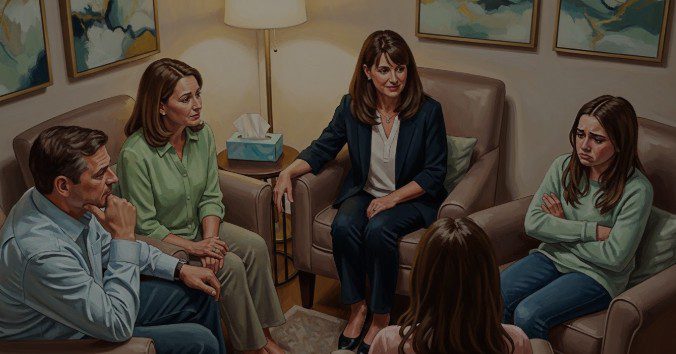
- Family therapy: Improves communication and reduces conflict.
- Introducing therapy without resistance: Approach conversations calmly, emphasizing growth and support rather than punishment.
Promote Healthy Coping Mechanisms
Teens with BPD benefit from learning adaptive coping strategies:
- Journaling: Helps identify triggers and track emotions.
- Mindfulness and relaxation exercises: Reduce impulsive reactions.
- Avoid reinforcement of destructive habits: Praise constructive coping instead of harmful behaviors.
Safety Considerations
Safety must remain a priority:
- Recognize warning signs of self-harm or suicidal ideation.
- Maintain crisis plans, including emergency contacts and local mental health resources.
- Remove or secure items that could be used for self-harm.
Step-by-Step Guide: Parenting Approach for Teens with BPD
- Educate Yourself About BPD: Read credible sources, attend workshops, and understand treatment options.
- Create a Safe and Structured Home Environment: Consistency in routine helps reduce anxiety and impulsive behaviors.
- Practice Consistent Emotional Validation: Respond to emotions calmly, without escalating conflicts.
- Collaborate with Mental Health Professionals: Attend therapy sessions and coordinate care for your teen.
- Develop Crisis Management Strategies: Prepare action plans for self-harm or extreme emotional outbursts.
- Foster Independence While Maintaining Support: Encourage decision-making skills while providing safety nets.
- Monitor Progress and Adjust Parenting Approach: Continuously assess the effectiveness of strategies and adapt as needed.
Comparison Table: Parenting Approaches vs. Therapy Options
| Approach/Method | Description | Benefits | Considerations |
|---|---|---|---|
| Dialectical Behavior Therapy (DBT) | Structured therapy for emotion regulation | Evidence-based for BPD teens | Requires commitment and trained therapist |
| Cognitive Behavioral Therapy (CBT) | Focuses on changing harmful thought patterns | Helps reduce impulsive behaviors | May need parental involvement |
| Family Therapy | Involves parents in treatment | Improves family communication | Needs all family members’ participation |
| Supportive Parenting Strategies | Clear boundaries + emotional validation | Reduces conflict at home | May not replace professional care |
| Peer Support Groups | Group sessions with other teens/parents | Encourages shared learning | Not individualized |
FAQs – Parenting a Teenager with Borderline Personality Disorder
- Can teenagers outgrow BPD?
Some teens show improvement with treatment, and symptoms may decrease in adulthood, but ongoing support is often necessary. - How do I handle emotional outbursts without making things worse?
Stay calm, validate feelings, and avoid escalating the situation with anger or criticism. - When should I consider medication for my teen?
Medication may be considered for co-occurring conditions such as depression or anxiety, under a psychiatrist’s supervision. - How do I talk to my teen about therapy without causing resistance?
Frame therapy as a supportive tool rather than a punishment. Emphasize self-growth and coping strategies. - What are warning signs of self-harm or suicidal behavior?
Changes in mood, withdrawal, verbal threats, or visible injuries are key indicators to take seriously. - How can I protect my mental health as a parent?
Seek support groups, individual counseling, and ensure time for self-care. - Can BPD be misdiagnosed in teenagers?
Yes, due to overlapping symptoms with ADHD, depression, or anxiety; a qualified mental health professional should conduct a thorough assessment. - How do I manage conflicts between siblings and a teen with BPD?
Establish family rules, encourage empathy, and involve siblings in therapy if appropriate.
Conclusion
Parenting a teenager with Borderline Personality Disorder is challenging but manageable with the right strategies. Key takeaways include:
- Balance empathy with boundaries to provide stability.
- Encourage professional support through therapy and counseling.
- Promote healthy coping mechanisms and monitor safety.
- Prioritize both your teen’s and your own mental health for sustainable caregiving.
With patience, education, and structured support, parents can guide their teen toward emotional resilience and healthier relationships, laying the foundation for a stable and fulfilling future.