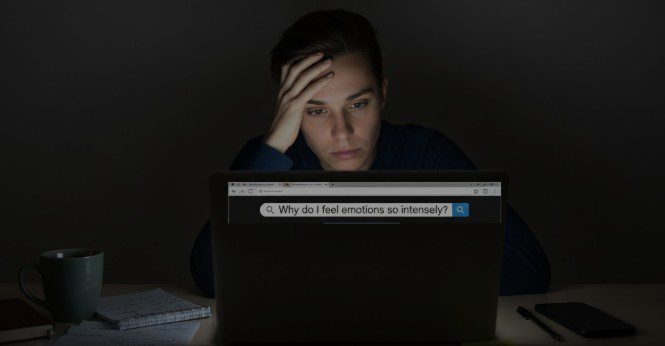
Why Do I Feel Emotions So Intensely?
Feeling everything more joy, sadness, anger, love, fear can be exhausting and confusing. You may wonder why small moments hit you so deeply, why relationships feel emotionally consuming, or why your reactions seem stronger than those of people around you. If you’ve ever asked yourself “why do I feel emotions so intensely?”, you’re not alone and there are clear, science-backed reasons behind it.
This guide is designed to be the most complete, clear, and reassuring answer available. We’ll explore the psychological, biological, and environmental factors involved, explain when intense emotions are normal versus concerning, and give you practical steps to manage emotional intensity without suppressing who you are.
Short Answer — Why Do I Feel Emotions So Intensely?
You feel emotions so intensely because of a combination of brain sensitivity, personality traits, past experiences, and nervous system reactivity. Some people process emotional information more deeply, react faster to stress, and feel emotions more vividly. This is common, explainable, and not a personal flaw.
Why Do I Feel Emotions So Intensely? (Core Explanation)
Emotional intensity exists on a spectrum. Understanding where it comes from helps reduce shame and increases self-control.
What It Means to Feel Emotions Intensely
Feeling emotions intensely means your emotional responses are strong, vivid, and long-lasting. This is different from emotional instability.
- Deep emotional processing involves strong feelings with awareness
- Emotional overwhelm happens when emotions feel unmanageable or flooding
Importantly, intense emotions are not a sign of weakness. Many emotionally intense people are highly perceptive, empathetic, and emotionally intelligent.
How the Brain Processes Emotions More Strongly in Some People
Some brains are wired to react more powerfully to emotional input:
- Amygdala sensitivity: The amygdala detects emotional threats. A more reactive amygdala leads to faster, stronger emotional responses.
- Prefrontal cortex regulation: This area helps calm emotions. When regulation is slower, emotions feel bigger.
- Nervous system reactivity: A highly responsive fight/flight/freeze system intensifies emotional reactions.
- Emotional memory amplification: Past emotional experiences are recalled more vividly, increasing present reactions.
Psychological Reasons You Feel Emotions So Intensely
Several psychological patterns increase emotional depth:
- High emotional awareness: You notice subtle emotional shifts others miss.
- Strong empathy: You absorb and mirror other people’s feelings.
- Rumination: Replaying thoughts and emotions intensifies them.
- Attachment styles: Especially anxious attachment, which heightens emotional reactions in relationships.
Biological and Genetic Factors Behind Emotional Intensity
Your biology plays a major role:
- Inherited temperament: Some people are born more emotionally reactive.
- Neurotransmitters: Imbalances in serotonin or dopamine affect mood intensity.
- Hormonal sensitivity: Cortisol, estrogen, and other hormones can amplify emotions.
- Sensory Processing Sensitivity (SPS): Highly sensitive nervous systems process stimuli more deeply.
Why Do I Feel Emotions So Intensely Compared to Others?
Comparisons can increase self-criticism, but emotional intensity is often trait-based.
Personality Traits Linked to Intense Emotions
- Highly Sensitive Person (HSP) traits
- High openness and neuroticism
- Introversion, which often involves deeper internal processing
These traits are linked to creativity, insight, and emotional depth not dysfunction.
Past Experiences That Amplify Emotional Reactions
- Childhood emotional invalidation
- Trauma or repeated micro-traumas
- Learned emotional survival responses (hypervigilance, people-pleasing)
Your nervous system may have learned to stay alert to emotional cues for protection.
Common Situations Where People Feel Emotions More Intensely
Emotional intensity often spikes in specific contexts:
- Close relationships and attachment triggers
- Conflict, criticism, or rejection
- Chronic stress, burnout, or overstimulation
- Hormonal shifts and sleep deprivation
These conditions reduce emotional regulation capacity.
Is Feeling Emotions So Intensely a Mental Health Issue?
Not always but context matters.
When Intense Emotions Are Normal
- High emotional intelligence
- Appropriate reactions to stress or loss
- Temporary life challenges
When Intense Emotions May Signal Something More
- Persistent emotional dysregulation
- Anxiety or mood disorders
- Personality-related emotional patterns
This isn’t about self-diagnosis, but knowing when professional support may help.
Step-by-Step Guide — What to Do If You Feel Emotions Too Intensely
Step 1: Identify Your Emotional Triggers
Track what sparks emotional surges:
- Situational triggers (stress, fatigue)
- Relational triggers (rejection, abandonment)
- Use emotional journaling to notice patterns
Step 2: Learn to Regulate, Not Suppress, Emotions
- Grounding techniques (breathing, body awareness)
- Naming emotions reduces their intensity
- Calm the nervous system before problem-solving
Step 3: Build Emotional Boundaries
- Learn where your emotions end and others’ begin
- Practice empathy without emotional absorption
- Limit overexposure to emotional stressors
Step 4: Develop Long-Term Emotional Resilience
- Therapy (CBT, DBT, trauma-informed approaches)
- Emotional regulation skills
- Sleep, nutrition, movement, and routine stability
Comparison Table — Reasons You May Feel Emotions So Intensely
| Cause | Description | Short-Term Effect | Long-Term Impact |
|---|---|---|---|
| High Sensitivity | Heightened sensory/emotional input | Overwhelm | Deep emotional insight |
| Trauma History | Nervous system hypervigilance | Strong reactions | Emotional exhaustion |
| Anxiety | Threat-based thinking | Fear amplification | Avoidance behaviors |
| Strong Empathy | Emotional mirroring | Emotional overload | Compassion fatigue |
| Hormonal Factors | Neurochemical shifts | Mood swings | Emotional instability |
Why Do I Feel Emotions So Intensely in Relationships?
Attachment Styles and Emotional Intensity
- Anxious attachment increases fear of abandonment
- Emotional reassurance loops heighten reactions
- Relationship closeness magnifies emotional stakes
Emotional Triggers in Romantic vs Family Relationships
- Close bonds activate old emotional patterns
- Emotional dependency differs from healthy connection
- Boundaries reduce intensity without reducing intimacy
Why Do I Feel Emotions So Intensely at Night or When Alone?
- Fewer distractions allow emotions to surface
- Emotional processing “catch-up”
- Fatigue lowers regulation
- Overthinking loops intensify feelings
This is common and neurological, not a personal failing.
How to Know If Your Emotional Intensity Is a Strength
Emotional intensity often comes with powerful strengths:
- Creativity and emotional depth
- Strong intuition and insight
- Meaningful, authentic relationships
- Emotional leadership and empathy
The goal is regulation, not reduction.
FAQs About Feeling Emotions Intensely
Why do I feel emotions so intensely for no reason?
Often, subconscious triggers or nervous system sensitivity are involved even if the cause isn’t obvious.
Why do I feel emotions so intensely and cry easily?
Crying is a natural emotional release and common among emotionally sensitive individuals.
Why do I feel emotions so intensely in relationships?
Attachment patterns and emotional closeness amplify emotional reactions.
Is feeling emotions intensely linked to anxiety?
Yes, anxiety often increases emotional sensitivity and reactivity.
Why do I feel emotions so intensely compared to other people?
Differences in brain wiring, personality, and life experiences explain this.
Can emotional intensity be cured or changed?
It can be managed and regulated but it doesn’t need to be eliminated.
Why do I feel emotions so intensely at night?
Fatigue and reduced distractions allow emotions to surface more strongly.
Is feeling emotions intensely a sign of being highly sensitive?
Often, yes especially if you process emotions and sensory input deeply.
Conclusion — Understanding Why You Feel Emotions So Intensely
Emotional intensity is not something to fix it’s something to understand and manage. When regulated, it becomes a strength that fuels connection, creativity, and insight. With awareness, skills, and support when needed, you can experience emotions fully without being overwhelmed by them.
Feeling deeply means you’re human. Learning how to work with your emotions not against them is the real path forward.