
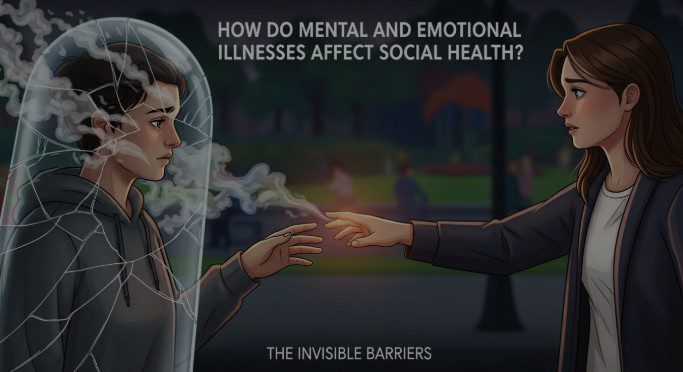
How Do Mental and Emotional Illnesses Affect Social Health
Short Answer: The Impact of Mental and Emotional Illnesses on Social Health
Mental and emotional illnesses can significantly affect social health by impairing relationships, limiting social engagement, and reducing overall communication abilities. Individuals experiencing depression, anxiety, bipolar disorder, or emotional dysregulation may face social isolation, strained personal connections, and stigma from society. According to the National Alliance on Mental Illness (NAMI), nearly 1 in 5 adults in the U.S. experience mental illness each year, many of whom report challenges in maintaining meaningful social connections. Social health is not just about being socially active it reflects the quality of interactions, trust, and support in a person’s network, all of which can deteriorate when mental and emotional wellness is compromised.
Understanding Mental and Emotional Illnesses
Definition and Types of Mental Illnesses
Mental illnesses are clinically recognized conditions that affect mood, thinking, and behavior. Common types include:
- Depression: Persistent sadness, fatigue, and loss of interest in activities.
- Anxiety Disorders: Excessive worry, panic attacks, and avoidance behaviors.
- Bipolar Disorder: Extreme mood swings between depression and mania.
- Schizophrenia: Distorted thinking, hallucinations, and social withdrawal.
- Post-Traumatic Stress Disorder (PTSD): Trauma-induced stress, hypervigilance, and emotional numbing.
These conditions can compromise one’s ability to engage socially, manage conflict, and maintain meaningful connections.
Definition and Types of Emotional Illnesses
Emotional illnesses involve dysregulation in processing and managing emotions. Examples include:
- Emotional Dysregulation: Intense emotional reactions and difficulty controlling responses.
- Chronic Stress: Long-term stress affecting both mental clarity and interpersonal behavior.
- Personality Disorders: Patterns of behavior that disrupt social relationships, such as borderline or narcissistic tendencies.
While mental illnesses often involve diagnosable clinical symptoms, emotional illnesses focus on chronic emotional patterns that impede social functioning. Both, however, can severely affect social health.
Core Explanation: How Mental and Emotional Illnesses Affect Social Health
Impact on Relationships
Mental and emotional illnesses frequently strain family, friendships, and romantic relationships. Individuals may withdraw due to low energy, irritability, or fear of judgment. For example, a person with social anxiety might avoid gatherings, leaving friends or family unsure how to offer support. Research has shown that relationship satisfaction declines significantly among individuals experiencing chronic depression, emphasizing the critical intersection between mental health and social health.
Social Skills and Communication Challenges
Challenges in communication are common. Difficulty expressing emotions, interpreting social cues, or maintaining conversations can result from anxiety, bipolar episodes, or emotional dysregulation. Misunderstandings can lead to conflicts, alienation, and a perception of social incompetence.
Social Isolation and Loneliness
Isolation is both a symptom and a consequence of mental illness. Withdrawal can be voluntary, such as avoiding social situations, or involuntary, due to strained relationships. Loneliness can worsen symptoms, creating a feedback loop where social health deteriorates alongside emotional and mental well-being.
Stigma and Societal Perception
Stigma remains a significant barrier to social engagement. Misconceptions about mental illness can lead to discrimination, reducing opportunities for friendship, employment, or community involvement. People often internalize these biases, resulting in shame, secrecy, and further withdrawal.
Workplace and Academic Implications
Mental and emotional illnesses impact performance in workplaces and schools. Challenges like decreased focus, mood swings, or absenteeism can impair teamwork, collaboration, and peer support networks. Long-term, this may reduce professional opportunities and social integration.
Step-by-Step Guide to Maintaining Social Health While Managing Mental and Emotional Illness
Step 1 – Recognize Symptoms Affecting Social Life
Identifying signs of social decline, such as avoidance, irritability, or loss of interest in friends, is the first step toward improving social health.
Step 2 – Seek Professional Support
Therapists, counselors, or psychiatrists provide structured support. Cognitive-behavioral therapy (CBT), dialectical behavior therapy (DBT), and medication management can reduce symptoms and improve social functioning.
Step 3 – Build Healthy Communication Habits
Practice active listening, assertive communication, and empathy. Role-playing scenarios or attending group therapy can enhance interpersonal skills.
Step 4 – Engage in Supportive Social Networks
Join support groups, hobby clubs, or peer communities where understanding and acceptance are central. Safe social environments encourage interaction without judgment.
Step 5 – Practice Self-Care and Emotional Regulation
Regular exercise, mindfulness meditation, and journaling reduce stress and emotional volatility, fostering more stable social interactions.
Step 6 – Monitor Progress and Adjust Strategies
Keep track of social engagement, relationships, and emotional responses. Adjust strategies with professional guidance to strengthen social connections continuously.
Comparison Table: Effects of Common Mental and Emotional Illnesses on Social Health
| Illness | Common Social Health Impact | Severity | Coping Strategies |
|---|---|---|---|
| Depression | Social withdrawal, lack of motivation | High | Therapy, social support groups |
| Anxiety | Avoidance of social situations | Medium | CBT, mindfulness |
| Bipolar Disorder | Impulsive behavior affecting relationships | Medium | Medication, structured routines |
| PTSD | Trust issues, hypervigilance | High | Trauma therapy, peer support |
| Emotional Dysregulation | Conflicts, mood swings | Medium | DBT, coping skills |
People Also Ask / Sub-Questions
Can mental illness cause permanent social impairment?
While mental illnesses may temporarily disrupt social abilities, early intervention and therapy often restore healthy social functioning.
How does emotional instability affect friendships?
Frequent mood swings or impulsive behavior can create misunderstandings, erode trust, and strain close relationships.
Are certain mental illnesses more socially isolating than others?
Conditions like severe depression, social anxiety, and schizophrenia tend to be more isolating compared to milder anxiety or mood disorders.
Can social support improve mental health outcomes?
Yes. Strong social networks reduce symptoms of depression and anxiety and encourage healthier coping mechanisms.
What are the early warning signs of social decline due to mental illness?
Warning signs include withdrawal from friends/family, missed social engagements, irritability, and reduced empathy.
Frequently Asked Questions
How do mental health conditions affect family relationships?
Family dynamics often become strained due to unpredictable moods, withdrawal, or communication challenges.
Can therapy improve social skills in people with emotional disorders?
Yes. Therapies like CBT and DBT teach interpersonal skills, emotional regulation, and empathy.
Is social isolation a symptom or a consequence of mental illness?
It can be both. Isolation may emerge as a symptom and also worsen the illness over time.
How do stigma and discrimination worsen social health?
They create barriers to interaction, reinforce shame, and limit access to supportive communities.
Are online social interactions helpful or harmful for people with mental illness?
They can be beneficial if supportive and moderated, but overreliance on digital interaction may reduce real-world social skills.
What role does self-awareness play in maintaining social health?
Self-awareness allows individuals to recognize triggers, communicate effectively, and navigate social challenges.
Can medications impact social behaviors?
Some medications improve social functioning by stabilizing mood, while others may cause side effects affecting energy or communication.
How can caregivers support someone struggling socially due to mental illness?
Offer patience, encourage participation in social activities, and help facilitate professional support when needed.
Conclusion
Mental and emotional illnesses have a profound impact on social health, affecting relationships, communication, and overall social engagement. Recognizing symptoms early, seeking professional support, and actively fostering emotional regulation and communication skills are crucial for maintaining social connections. Social health is not just a byproduct of mental wellness it is a vital component that reinforces recovery, resilience, and quality of life. By implementing structured strategies, leveraging supportive networks, and addressing stigma, individuals can preserve meaningful relationships and thrive socially despite mental or emotional challenges.