How Long Are Anger Management Classes
Short Answer: How Long Are Anger Management Classes?
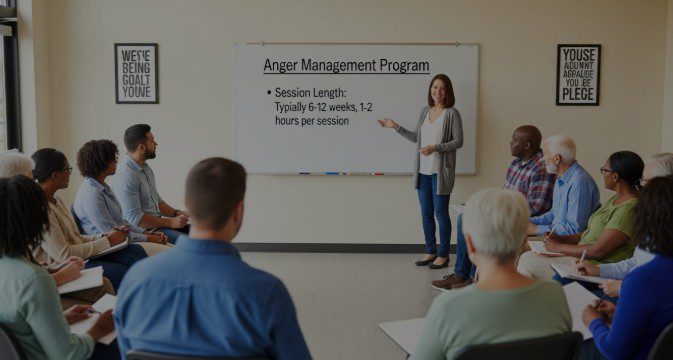
Anger management classes typically range from 4 to 12 weeks, with most sessions lasting 1 to 2 hours per week. The duration can vary depending on the format in-person, online, group, or individual therapy and whether the program is court-mandated or voluntary. Court-ordered classes often have stricter time requirements, averaging 8–12 weeks, whereas voluntary programs may allow more flexibility based on personal goals. According to the American Psychological Association (APA), consistent participation in structured anger management programs can significantly reduce aggressive behaviors and improve interpersonal skills within a few weeks of engagement.
Understanding Anger Management Classes
What Are Anger Management Classes?
Anger management classes are structured programs designed to help individuals recognize, control, and express anger constructively. The primary goals include:
- Self-regulation: Learning strategies to manage emotional triggers.
- Stress reduction: Techniques such as mindfulness, deep breathing, and cognitive restructuring.
- Improved relationships: Reducing conflicts at home, work, or school.
Historically, anger management programs emerged in the late 20th century as part of behavioral therapy interventions, evolving from short workshops to comprehensive multi-week courses integrating cognitive-behavioral therapy (CBT) and emotional intelligence principles.
Who Needs Anger Management Classes?
Anger management is suitable for anyone struggling to control intense anger or experiencing frequent conflicts. Common participants include:
- Individuals with frequent anger outbursts that affect personal or professional life.
- Court-mandated attendees, often required after legal incidents.
- People seeking personal growth, aiming to improve emotional regulation and social interactions.
Factors That Influence How Long Anger Management Classes Are
Type of Program
The format of a program significantly impacts duration:
- Group classes provide peer support and role-playing opportunities but may have fixed schedules.
- Individual therapy allows for personalized pacing tailored to the individual’s needs.
- Online programs offer flexible timing but require self-discipline to complete.
- In-person programs encourage engagement through structured interactions and accountability.
Program Duration
Most standard programs last 6–8 weeks, with sessions held once or twice per week. Intensive programs condense material into 1–2 weeks of daily sessions, ideal for those needing rapid skill acquisition or court compliance. Self-paced online programs may span 4–12 weeks, depending on user commitment.
Court-Mandated vs. Voluntary Classes
Legal requirements can influence both the length and frequency of classes. Court-mandated programs often have strict attendance and completion criteria, whereas voluntary participants can choose a schedule that best fits their lifestyle. Compliance affects not only legal standing but also the effectiveness of intervention.
Participant Needs and Severity of Anger Issues
Programs may adjust duration based on assessment results:
- Individuals with mild anger issues may benefit from shorter programs.
- Participants with severe or chronic anger patterns might require extended classes or ongoing therapy.
- Professional evaluations help customize program length and intensity for maximum results.
Step-by-Step Guide to Choosing the Right Anger Management Class
Step 1 – Assess Your Needs
Determine whether your anger issues require self-guided learning, professional intervention, or legal compliance. Tools such as self-assessments or consultations with psychologists can help identify the severity of anger and its impact on your social and professional life.
Step 2 – Research Programs
Compare program formats, session lengths, and total duration. Look for programs that balance effectiveness, convenience, and cost.
Step 3 – Consider Online vs. In-Person Options
- Online classes offer flexibility and privacy but require self-motivation.
- In-person classes provide structured interaction, accountability, and immediate feedback from facilitators.
Step 4 – Check Credentials and Certification
Ensure programs are led by licensed therapists or accredited institutions, especially for court-mandated requirements. Certification can also enhance credibility for personal or professional documentation.
Step 5 – Monitor Progress and Completion
Track improvements in anger expression, emotional regulation, and conflict resolution. Adjust the program as needed to ensure you meet personal or legal goals effectively.
Comparison Table: Typical Anger Management Class Durations
| Program Type | Average Duration | Session Frequency | Audience | Notes |
|---|---|---|---|---|
| Standard Group Class | 6–8 weeks | 1–2 hours/week | Adults | Most common format |
| Intensive Program | 1–2 weeks | Multiple hours/day | Adults with severe anger | Quick skill acquisition |
| Online Self-Paced | 4–12 weeks | Flexible | Anyone | Requires self-discipline |
| Court-Mandated Class | 8–12 weeks | 1–2 hours/week | Legal offenders | Compliance required |
| Individual Therapy | Variable | 1 hour/week | Personalized | Tailored to individual needs |
People Also Ask / Sub-Questions
How many hours of anger management are required by courts?
Courts typically mandate 8–12 weekly sessions, totaling 8–24 hours, depending on the jurisdiction and severity of the offense.
Can anger management classes be completed online?
Yes. Online programs allow participants to complete sessions at their own pace while providing structured exercises and virtual support.
Is there a standard number of sessions for anger management?
While there’s no universal standard, 6–12 weekly sessions are the most common across programs for both voluntary and mandated attendance.
Do children and teens have shorter anger management programs?
Yes. Youth programs often span 4–6 weeks, with shorter sessions to match attention span and developmental needs.
How long before I see results from anger management classes?
Most participants notice behavioral improvements within 3–4 weeks, but consistent practice and reinforcement are essential for long-term effectiveness.
Frequently Asked Questions
How long do anger management classes typically last?
Most classes last 4–12 weeks, with 1–2 hours per session. Duration depends on program type and individual needs.
Are online anger management programs as effective as in-person classes?
Yes, if participants are motivated and actively complete exercises, though in-person programs provide additional peer feedback and accountability.
Can you repeat anger management classes if needed?
Absolutely. Repeating classes may help reinforce skills or fulfill court requirements.
Do employers or schools accept online anger management certificates?
Yes, provided the program is accredited or led by a licensed professional. Court-mandated certificates usually require official documentation.
How do court-mandated anger management classes differ from voluntary ones?
Court-mandated programs often have strict attendance rules and verified completion requirements, whereas voluntary programs offer more flexibility.
What skills are learned in anger management classes?
Skills include emotional regulation, conflict resolution, stress management, effective communication, and impulse control.
Can anger management classes prevent legal consequences?
Yes. Completing a court-ordered program can mitigate sentencing or probation violations and demonstrate commitment to behavioral change.
How do I know if a program is the right length for me?
Consider your severity of anger issues, personal schedule, program structure, and professional guidance when choosing duration.
Conclusion
Anger management classes are a critical tool for improving emotional regulation, reducing conflict, and fostering healthier relationships. Typical durations range from 4–12 weeks, but factors like program type, participant needs, and legal requirements play a significant role in determining length. Choosing the right class involves assessing personal needs, researching available programs, considering format options, verifying credentials, and monitoring progress.
Actionable takeaway: While class duration varies, the effectiveness of anger management programs depends on engagement, consistency, and the practical application of learned skills. By committing to a structured program, whether online, in-person, voluntary, or court-mandated, individuals can experience lasting improvements in both personal and social functioning. For initial consultation and help visit South Side DBT now!