When Is Exposure Therapy Not Recommended
Exposure therapy is a widely recognized and effective method for treating anxiety disorders, phobias, OCD, and PTSD. However, like any therapeutic approach, it is not universally suitable. Understanding when exposure therapy may be unsafe or ineffective is essential for both patients and clinicians to prevent harm and ensure positive outcomes. In this comprehensive guide, we explore situations where exposure therapy may not be recommended, explain the underlying principles, and provide step-by-step guidance for assessing its suitability.
Quick Answer: Situations Where Exposure Therapy May Not Be Safe or Effective
Exposure therapy involves gradual and controlled exposure to anxiety-provoking stimuli to reduce fear responses over time. While highly effective for many, it is not recommended in certain circumstances:
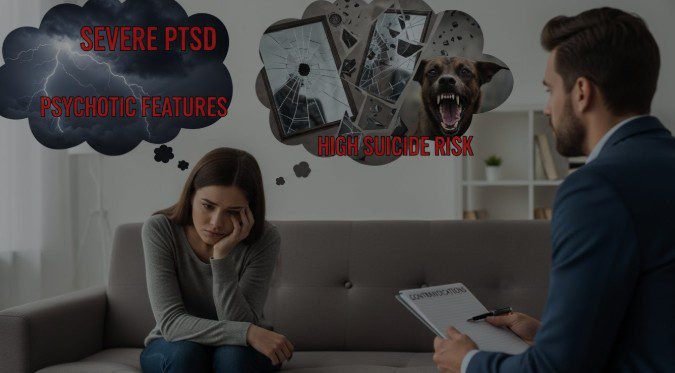
- Severe psychological conditions: Individuals with active psychosis, severe depression, or trauma that could be exacerbated by exposure.
- Medical or physical limitations: Heart conditions, seizure disorders, or other health issues that could make exposure dangerous.
- Lack of professional support: Attempting exposure therapy without a trained therapist increases the risk of harm.
- Inadequate coping skills: Patients who are emotionally unprepared or have low distress tolerance may experience worsening symptoms.
Important: Therapy decisions should always involve a licensed mental health professional. Consultation before starting exposure therapy is critical to ensure safety and effectiveness.
Understanding Exposure Therapy and Its Limitations
What Is Exposure Therapy?
Exposure therapy is a structured psychological treatment designed to help individuals confront feared objects, situations, or memories in a safe environment. The main goals are:
- Reducing fear and anxiety: By repeatedly facing feared stimuli, individuals gradually experience less distress.
- Improving coping strategies: Patients learn adaptive responses rather than avoidance behaviors.
Common disorders treated with exposure therapy include:
- Phobias (e.g., fear of heights, spiders, flying)
- Obsessive-compulsive disorder (OCD)
- Post-traumatic stress disorder (PTSD)
- Generalized anxiety disorder and panic disorder
How Exposure Therapy Works
Exposure therapy is based on gradual, controlled, and repeated exposure to anxiety-provoking stimuli, often following a hierarchy from least to most feared situations. Key mechanisms include:
- Habituation: Repeated exposure reduces the intensity of fear responses over time.
- Desensitization: Patients learn that feared stimuli are not inherently dangerous, helping to break the cycle of avoidance.
Therapists carefully monitor the process to avoid overwhelming the patient and to maximize therapeutic gains.
Why Exposure Therapy Is Highly Effective but Not Universal
Research shows that exposure therapy has high success rates, especially for phobias and mild-to-moderate PTSD. However, individual responses vary. Factors affecting success include:
- Severity of psychological or medical conditions
- Emotional readiness and coping skills
- Availability of professional support
Even highly effective therapies must be tailored to individual needs to avoid risks.
When Is Exposure Therapy Not Recommended?
Severe Psychological Conditions
Exposure therapy may be unsafe for individuals with:
- Severe PTSD or trauma that could worsen under exposure
- Active psychosis or severe depression with suicidal ideation
In these cases, confronting fears prematurely can intensify symptoms and pose serious risks.
Medical or Physical Limitations
Certain physical conditions may make exposure therapy dangerous, such as:
- Heart problems or cardiovascular risk
- Seizure disorders triggered by stress or stimuli
- Other conditions where stress could worsen health outcomes
Lack of Professional Support or Structured Environment
Attempting exposure therapy without a trained therapist is strongly discouraged. Proper guidance ensures:
- Safety during exposure exercises
- Appropriate pacing of the therapy
- Avoidance of retraumatization
Inadequate Coping Skills or Emotional Readiness
Patients must possess adequate emotional resilience to tolerate stress during therapy. Those lacking coping strategies may experience heightened anxiety or panic, reducing therapy effectiveness.
Ethical and Safety Concerns
Ethical considerations are central to exposure therapy:
- Participation must always be voluntary
- Coercion or forced exposure can lead to retraumatization
Common Questions About Exposure Therapy Contraindications
Can Exposure Therapy Harm Someone With PTSD?
Yes, if not carefully structured, exposure therapy can trigger severe anxiety or flashbacks in individuals with untreated or severe PTSD.
Is Exposure Therapy Safe for Children or Adolescents?
With professional supervision, it can be safe, but clinicians must adjust techniques for developmental age and emotional readiness.
How Do Therapists Decide Who Is a Good Candidate?
Therapists assess mental health history, symptom severity, medical conditions, and coping skills before recommending exposure therapy.
Are There Alternatives to Exposure Therapy for High-Risk Patients?
Yes. Alternatives include cognitive-behavioral therapy (CBT), EMDR, and medication-based approaches for anxiety or trauma.
How Long Should One Wait Before Trying Exposure Therapy?
Patients should wait until they have stabilized psychological and physical health and developed coping strategies to handle stress.
Step-by-Step Process to Determine If Exposure Therapy Is Right for You
Step 1: Assess Mental Health History
Review past diagnoses, therapy outcomes, and trauma history with a professional.
Step 2: Identify Current Symptoms and Triggers
Recognize specific fears or triggers and their impact on daily functioning.
Step 3: Evaluate Physical Health and Medical Conditions
Check for conditions that could make exposure dangerous.
Step 4: Consult a Licensed Therapist for a Risk Assessment
Professional guidance ensures safe, structured, and evidence-based therapy planning.
Step 5: Discuss Alternatives and Complementary Therapies
Consider CBT, EMDR, or medication as interim or complementary options.
Step 6: Establish a Safety Plan Before Beginning Therapy
Include coping strategies, support systems, and emergency contacts.
Step 7: Monitor Progress and Adjust Therapy Accordingly
Track responses, adjust intensity, and reassess suitability regularly.
Exposure Therapy vs Alternative Treatments
Comparison Table: When Exposure Therapy Is Not Recommended
| Therapy Type | Suitable For | Risks/Contraindications | Effectiveness |
|---|---|---|---|
| Exposure Therapy | Phobias, mild/moderate PTSD, anxiety | Severe PTSD, psychosis, heart conditions, unprepared patients | High (when appropriate) |
| Cognitive Behavioral Therapy (CBT) | Anxiety, depression | Fewer contraindications | High |
| EMDR (Eye Movement Desensitization and Reprocessing) | Trauma, PTSD | Limited evidence for some phobias | High for trauma |
| Medication (SSRIs, SNRIs) | Severe anxiety, depression, PTSD | Side effects, interactions | Moderate to high |
Frequently Asked Questions About Exposure Therapy Contraindications
Can someone with severe anxiety still benefit from exposure therapy?
Yes, but only under careful supervision and after building coping skills to manage heightened anxiety.
How do therapists prevent retraumatization during exposure therapy?
They use gradual, controlled steps, safety plans, and ongoing monitoring to minimize distress.
Is it ever safe to attempt exposure therapy at home?
Self-directed exposure is generally discouraged due to risks of worsening symptoms or unsafe practices.
Are there specific phobias that should not be treated with exposure therapy?
Extreme phobias in high-risk medical or psychological conditions require alternative treatments.
Can exposure therapy be combined with medication safely?
Yes, combining therapy with SSRIs or SNRIs is common, particularly for severe anxiety or depression.
How long should therapy be delayed if a patient is not ready?
Therapy should be delayed until the patient stabilizes emotionally and physically and develops coping strategies.
What are early warning signs that exposure therapy is worsening symptoms?
Intense panic, flashbacks, severe avoidance, or suicidal thoughts indicate therapy should be paused and reassessed.
Key Takeaways: Understanding When Exposure Therapy May Not Be Safe
Exposure therapy is highly effective for many anxiety and trauma-related conditions but is not universally appropriate. Key contraindications include severe psychological disorders, certain medical conditions, lack of professional guidance, inadequate coping skills, and ethical considerations. For initial consultation visit South Side DBT now!
Professional assessment and individualized care are crucial to prevent harm. For individuals for whom exposure therapy is unsafe, alternatives such as CBT, EMDR, or medication can provide effective support. Consulting with a licensed therapist ensures the safest path toward mental health improvement.