Postpartum Anxiety: Signs, Causes & How Therapy Helps New Moms
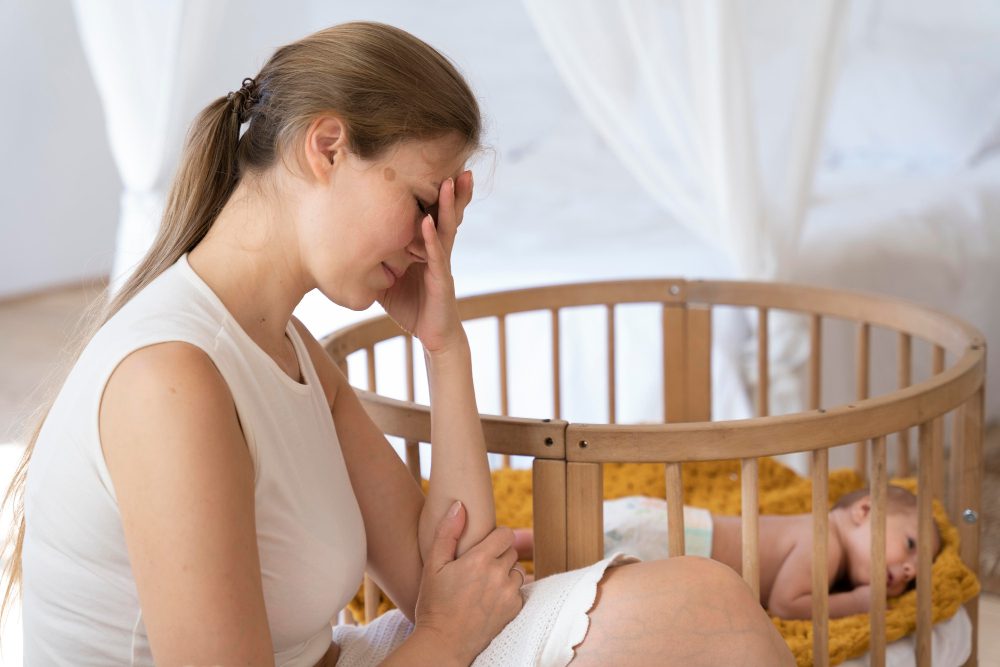
Bringing a baby home changes everything, and it is normal to feel worried sometimes. But for some new moms the worry does not let up. It grows into a steady hum of fear that makes it hard to rest, eat, or enjoy time with the baby. That is postpartum anxiety, and it is more common than most people talk about.
If this sounds like you, you are not failing and you are not alone. Postpartum anxiety is a real condition, and it responds well to support.
What Postpartum Anxiety Looks Like
People talk a lot about postpartum depression, but anxiety after birth gets less attention even though it affects many new parents. It can show up on its own or alongside depression.
The worry often centers on the baby. You might check on them again and again, fear that something terrible will happen, or feel unable to hand them to anyone else. The fear can feel impossible to switch off.
Signs to watch for
- Racing thoughts you can’t slow down
- Worry about the baby’s health or safety that never lets up
- Trouble sleeping even when the baby sleeps
- A racing heart, tight chest, or nausea
- Feeling on edge or unable to relax
- Irritability or a short fuse
- Checking on the baby over and over
- Scary thoughts that pop up and frighten you
Many moms feel ashamed of these symptoms, especially the intrusive thoughts. Those thoughts do not mean you are a bad parent. They are a symptom, and they can be treated.
Why It Happens
There is no single reason postpartum anxiety shows up. Usually it is a mix of things hitting at once.
Hormones
After birth, hormone levels drop fast. That shift affects mood and can ramp up anxiety in the weeks that follow.
Sleep loss
Newborns do not sleep through the night, and neither do their parents. Going without rest for weeks makes it much harder for your brain to regulate fear and emotion.
A new sense of responsibility
Suddenly a tiny person depends on you for everything. That weight can tip normal concern into around-the-clock worry, especially for first-time parents.
Past history
If you have dealt with anxiety before, or had a hard pregnancy or birth, your risk goes up. A lack of support at home can add to it as well.
None of these causes are your fault. They are part of how bodies and lives change after a baby arrives.
How Therapy Helps
The good news is that postpartum anxiety gets better with help, often faster than moms expect. Therapy gives you a place to say the things you have been afraid to say out loud and to learn tools that actually work.
Learning to manage the thoughts
A therapist can help you spot the anxious thought patterns that keep the worry spinning and teach you how to respond to them. Over time, the scary thoughts lose their grip.
Skills for calming your body
Approaches like DBT teach hands-on skills for settling a racing mind and a tense body. Breathing techniques, grounding, and ways to ride out hard moments give you something to reach for when the anxiety spikes.
A space that is yours
So much of new parenthood is about the baby. Therapy is one hour that is about you. Having someone listen without judgment can take a load off all on its own.
What You Can Do at Home
While therapy does the heavy lifting, small steps each day help too.
- Take rest when you can, since even short naps add up
- Let people help with meals, chores, or holding the baby
- Move your body a little, even a walk outside
- Eat and drink water, because low blood sugar makes anxiety worse
- Talk to other parents who get it
- Go easy on yourself when things are messy, because they will be
You do not have to do any of this on your own, and asking for help is part of caring for your baby too.
When to Reach Out Right Away
Some symptoms need quicker attention. If you feel unable to care for yourself or your baby, if the anxiety never stops, or if you have any thoughts of harming yourself, contact a doctor or a mental health professional right away. You can also reach a crisis line for immediate support. Getting help fast is the right move, and it is there for you.
For ongoing worry that is wearing you down, a therapist who works with new parents can make a real difference. You deserve to feel like yourself again, and support is out there.
You Are Not Meant to Do This Alone
Postpartum anxiety can make you feel like you are the only one struggling behind a calm face. You are not. Many moms have felt this exact way and come out the other side with the right help.
Reaching out does not mean you are weak or that you love your baby any less. It means you are taking your health seriously, for your sake and theirs. The early days are hard enough. You do not have to carry the worry on your own.